

Property management software automates lease agreements from creation to renewal, with 87% of property managers saving at least 15 hours per week using these systems. Property management software is a digital platform that centralizes tenant screening, electronic signatures, rent collection, and maintenance requests into one system. Automation eliminates manual paperwork and saves property managers an average of 25 hours per month on administrative tasks.
Lease automation refers to software that automatically generates rental agreements, tracks key dates, sends reminders, and processes renewals without manual intervention. Property management software automates lease creation by auto-populating templates with tenant data, reducing document preparation time by 90%. The software eliminates common pain points including lost paperwork, missed lease renewal dates, and inconsistent tenant screening processes.
Essential features include electronic signature capability, automated rent collection, maintenance request tracking, and tenant screening integration. Property management software plays a pivotal role in the simplification of home lease agreements through tenant communication portals and document storage systems. From drafting agreements distinctly tailored to the landlord's requirements using rental application forms, to automatic lease renewals and reminders, property management software removes potential for human error whilst saving valuable time.
Property management software layers efficient data analysis and business intelligence with eviction tracking software. Digitizing the process diminishes the possibility of misinterpretation of lease terms, providing a clear, uniform understanding for all parties involved. This empowers landlords and property managers to make data-driven decisions, optimize rental rates, and thus revolutionize the tenant experience using unit availability calendars.
The software typically pays for itself within three months through time savings, with the average property manager recouping costs at $1 to $3 per unit monthly against 15 hours saved weekly. Part of the streamlining process involves implementing comprehensive property management automation, such as maintenance requests and vacancy tracking, through platforms like Leasey.AI's software, thus enhancing efficiency and simplicity.
Real estate technologies are drawing a new blueprint for efficient property management, drastically simplifying rent agreements through tenant credit reports and lease compliance monitoring. Processing tenant applications, maintenance requests, late payment notifications, and rent collection can be fully automated with advanced software systems, fostering a less labour-intensive environment for landlords and property management teams.
Electronic signatures allow landlords and tenants to sign lease agreements digitally from any device, creating legally binding contracts without printing or scanning. Digital systems reduce lease-related errors by eliminating manual data entry and ensuring consistent formatting across all agreements. Automated lease renewal reminders reduce tenant turnover by sending notifications 60 to 90 days before expiration, improving retention rates.
Modern platforms offer mobile apps that allow property managers to approve maintenance requests, view applications, and communicate with tenants from smartphones. Implementing real estate technology with rent roll management can minimize room for errors and disputes, offering a strong foundation for transparent dealings with tenants.
Cloud-based systems store lease documents on remote servers accessible through internet browsers, eliminating the need for local file storage and enabling access from any location. Standardized lease templates ensure legal compliance by incorporating state-specific requirements and automatically updating when regulations change. Pre-built lease templates with jurisdiction-specific clauses reduce legal errors and ensure compliance with local rental laws.
Moreover, property software with integrated services, such as comprehensive tenant placement and screening services and automated property showing schedules, can augment the rent agreement process by offering an organized, centralized hub for all property-related needs. This holistic approach to property management ensures all parties are on the same page, leading to a smoother overall process.
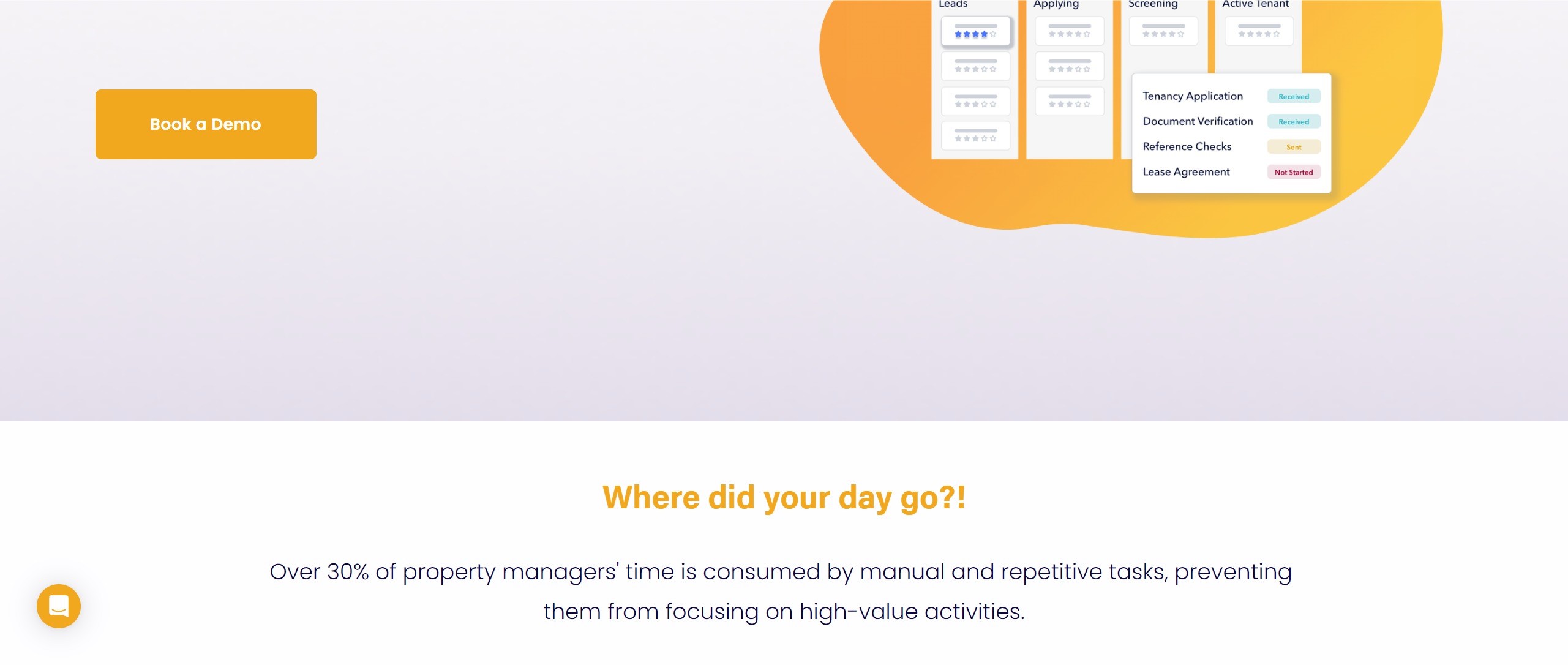
Implementation typically requires three steps: data migration from existing systems, staff training on core features, and gradual rollout across properties. Begin implementation by exporting existing tenant data into CSV format, then uploading it to the new platform's import wizard before configuring lease templates. Small portfolios under 20 units typically complete setup within one week, while larger operations may require two to four weeks for full deployment.
Basic user training often takes two to three hours, with advanced features requiring an additional four to six hours of instruction. Most property management software integrates with accounting platforms like QuickBooks and payment processors through API connections.
Maximize efficiency by enabling automated rent reminders, setting up recurring maintenance schedules, and using bulk communication tools for property-wide announcements. Implementing the right cloud-based property management software with portfolio analytics can reinvent the way residential and commercial landlords navigate lease agreements.
Tools like Buildium and Yardi not just simplify the management of property leases, but also enhance overall operational efficiency with lease renewal automation. From drawing up rental agreements to tracking the status of every property in a portfolio, this online software can handle it all. AppFolio and Buildium offer over 100 customizable templates for various property types and jurisdictions.
Implementation costs for lease management software typically range from $1 to $3 per unit per month for basic features, while premium solutions can cost up to $12 per unit monthly. Enterprise-level property management systems can handle portfolios of up to 50,000 units simultaneously.
Modern property management software effectively handles both residential and commercial lease agreements through specialized modules and customizable templates. Lease agreement data is protected through bank-level encryption, secure cloud storage, and regular automated backups. Most systems offer multiple payment processing options including ACH transfers, credit cards, and digital wallet integration.


